Submit Request ...
-
Forums
The cause of disease is cold and heat; a scientific study of the role of the dental nerve

Causes of Tooth Sensitivity to Cold and Heat; A Scientific Review of the Role of Dental Nerves
Tooth sensitivity to cold usually indicates dentin involvement and stimulation of A-delta nerve fibers, while sensitivity to heat is most often related to pulpal inflammation and activation of C fibers and may require root canal treatment.
Tooth sensitivity to cold and heat is one of the most common dental problems experienced by many patients at different stages of tooth decay or periodontal disease. This sensitivity typically begins with pain caused by cold stimuli, and as the damage progresses, heat leads to more severe and lingering pain. In this article, the underlying causes of this phenomenon are examined scientifically and clinically, in a way that is understandable for the general public while also providing practical clinical insight for dentists and specialists.
Anatomical Structure of the Tooth and Its Relationship to Sensitivity
To properly understand tooth sensitivity, it is essential to be familiar with the anatomical structure of the tooth. Each tooth consists of three main layers, each playing a specific role in sensory transmission.
✓ Enamel
Enamel is the outermost layer of the tooth and the hardest tissue in the human body. This layer contains no nerves, and as long as decay is limited to enamel, the patient does not experience any pain.
✓ Dentin
Dentin lies beneath the enamel and contains thousands of microscopic tubules that connect to the pulp. When decay reaches this layer, tooth sensitivity begins.
✓ Dental Pulp
The dental pulp is the vital center of the tooth and contains blood vessels and nerves. Any inflammation or damage in this area results in severe and sometimes persistent pain.

Why Does a Decayed Tooth Become Sensitive to Cold First?
In the early stages of tooth decay, when dentin becomes involved, cold stimuli cause rapid movement of fluid within the dentinal tubules. This change in pressure stimulates specific nerves in the pulp, resulting in short-lasting pain.
The Role of A-delta Nerve Fibers
A-delta nerve fibers are myelinated and conduct impulses rapidly. These fibers are responsible for sharp, sudden, and short-duration pain. Cold-induced pain that disappears immediately after removal of the stimulus is usually associated with the activity of these fibers.
Why Does Sensitivity to Heat Increase as Decay Progresses?
As tooth decay advances and approaches the pulp, inflammation develops. Under these conditions, heat increases blood flow and intrapulpal pressure, thereby intensifying pain.
The Role of C Nerve Fibers
C fibers are unmyelinated and have slower nerve conduction. These fibers are responsible for deep, dull, and persistent pain. Pain caused by heat that remains even after removal of the stimulus usually indicates involvement of these fibers and pulpal inflammation.
The Relationship Between Periodontal Diseases and Tooth Sensitivity
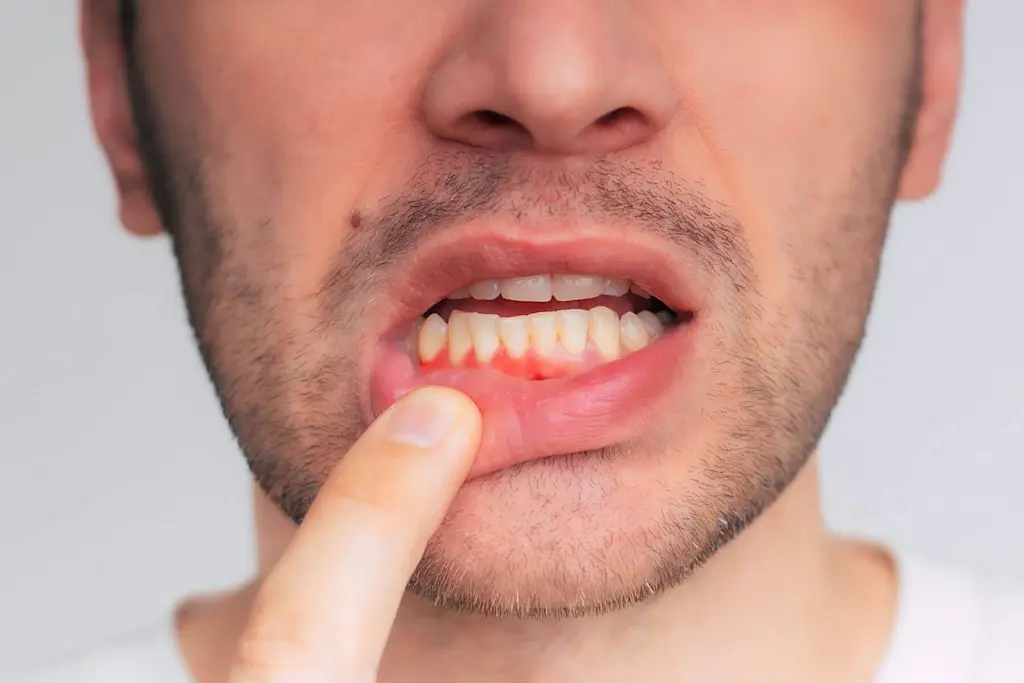
From a periodontological perspective, tooth sensitivity is not always related to tooth decay. Gingival recession and loss of tooth-supporting tissues can expose the root surface and increase sensitivity.
Gingival Recession and Exposure of Root Dentin
In patients with periodontal disease, gingival recession leads to the loss of the protective root covering, exposing sensitive dentin to the oral environment. In such cases, even without decay, patients may experience severe sensitivity to cold and heat.
Clinical Differences Between Reversible and Irreversible Sensitivity
Tooth sensitivity may indicate a mild condition or be a sign of serious pulpal damage. Accurate differentiation between these two conditions plays a crucial role in selecting the appropriate treatment.
✓ Reversible Sensitivity
In this condition, pain is short-lasting, sharp, and usually triggered by cold, resolving quickly after removal of the stimulus. Conservative restorative treatments are generally sufficient.
✓ Irreversible Sensitivity
The pain is deep, persistent, and often triggered by heat. This condition typically requires root canal therapy, and delayed treatment may result in tooth loss.

The Importance of Early Diagnosis by a Dental Specialist
Accurate diagnosis of the cause of tooth sensitivity requires simultaneous evaluation of tooth decay, pulpal status, and periodontal health. Visiting the best dentist, and especially the best periodontist in Mashhad, can prevent disease progression and the need for invasive treatments.
Conclusion
Tooth sensitivity to cold and heat is an important warning signal from the body. Cold sensitivity typically indicates dentin involvement and stimulation of A-delta nerve fibers, whereas heat sensitivity is often related to pulpal inflammation and activation of C fibers. Paying attention to these symptoms and consulting a dental specialist, especially at specialized periodontal surgery and dental implant centers in Mashhad, plays a vital role in preserving natural teeth.
Articles have been reviewed by Dr. Moein Taghavi, periodontist and specialist in periodontal diseases. This information is provided for educational purposes only and is not a substitute for professional medical advice, diagnosis, or treatment. Always consult your dentist, physician, or other qualified healthcare providers.
Please let us know what you think!